

Are you ready to secure your business?

Replace VPNs with Secure Zero Trust Network Access

Secure Application Access Without VPN

Enable secure, identity-driven access to internal applications without exposing your network to unnecessary risk. Zero Trust Network Access replaces traditional VPNs with a modern architecture that grants users access only to the specific applications they are authorized to use.

VPNs Are No Longer Secure

Traditional VPN solutions were designed for a different era when most applications and users were inside the corporate network.

Today’s distributed workforce and cloud environments create new risks.

Common VPN challenges include:

    • Broad network access once connected
    • Increased lateral movement opportunities for attackers
    • Limited visibility into user activity
    • Performance bottlenecks for remote users
    • Complex infrastructure management

VPNs extend the network perimeter rather than securing it.

ZTNA eliminates this risk by enforcing identity-based access controls.

Key Benefits of ZTNA

Eliminate VPN Risks

ZTNA removes the need for traditional VPN infrastructure while preventing attackers from gaining network-level access.

Reduce Lateral Movement

Application-level access ensures attackers cannot move across internal systems even if an account is compromised.

Secure Remote Workforce

Employees and contractors can securely access applications from anywhere without exposing internal networks.

Improve User Experience

ZTNA provides faster and more seamless access compared to traditional VPN solutions.

What is Zero Trust Network Access?

Zero Trust Network Access (ZTNA) is a modern security model that provides secure remote access to applications based on identity, device posture, and contextual risk — rather than network location.

Instead of granting broad access to an internal network, ZTNA ensures users can only access the applications they are explicitly authorized to use.

Every access request is continuously verified and monitored.

This approach dramatically reduces the risk of unauthorized access, lateral movement, and data breaches.

How ZTNA Works

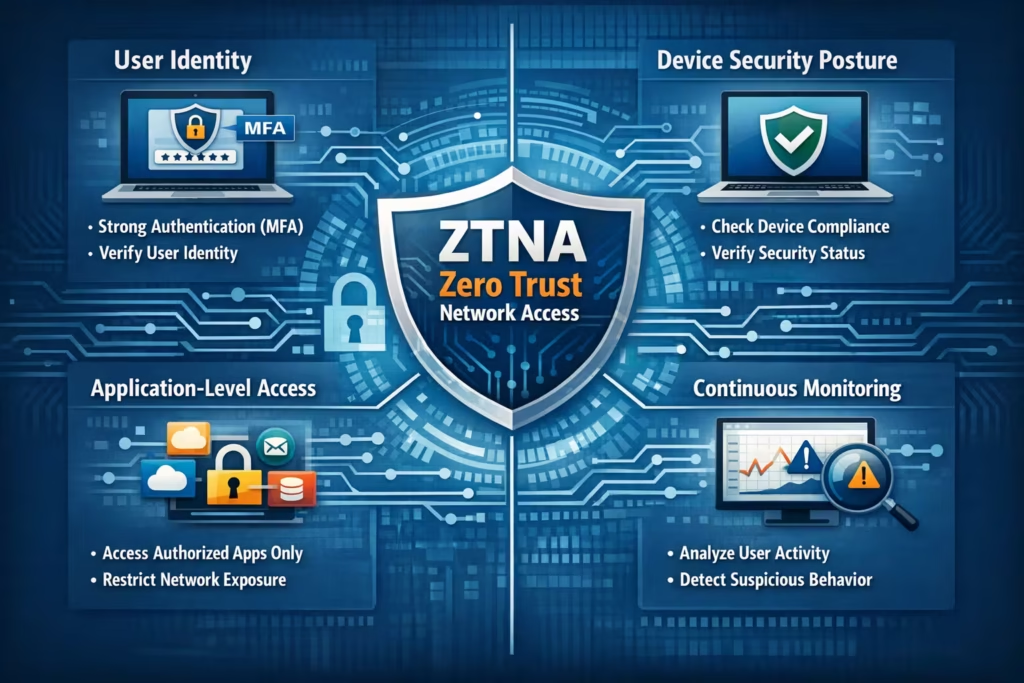
ZTNA enforces a Zero Trust model where no user or device is trusted by default.

Access decisions are based on multiple security factors:

User Identity
Users must authenticate using strong authentication such as MFA.

Device Security Posture
Access policies verify whether the device meets security requirements.

Application-Level Access
Users access only the specific applications they are authorized to use — not the entire network.

Continuous Monitoring
User activity and session behavior are continuously analyzed to detect suspicious activity.

Common Use Cases

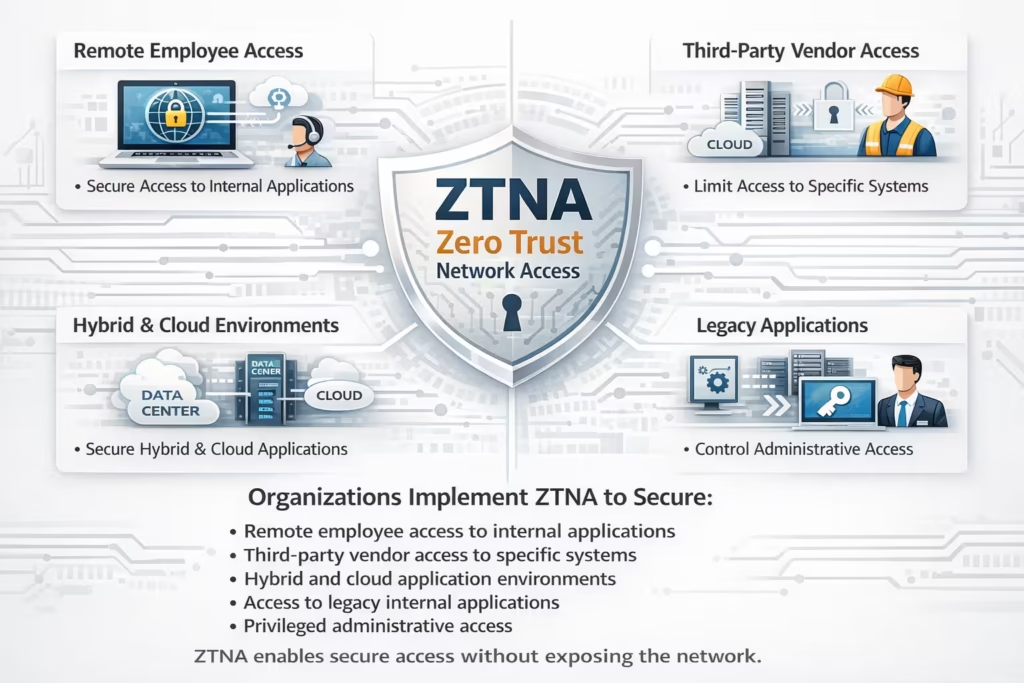
Organizations implement ZTNA to secure:

• Remote employee access to internal applications
• Third-party vendor access to specific systems
• Hybrid and cloud application environments
• Access to legacy internal applications
• Privileged administrative access

ZTNA enables secure access without exposing the network.
Our Approach

We help organizations transition from legacy remote access to modern Zero Trust architectures.

Assessment

Evaluate current remote access infrastructure and identify security gaps.

Architecture Design

Design a ZTNA framework aligned with Zero Trust principles.

Implementation

Deploy and integrate ZTNA solutions across applications and environments.

Optimization

Continuously monitor and refine policies to ensure maximum protection.

Why Organizations Work With Us

• Expertise in Zero Trust security architecture
• Deep experience in cloud security technologies
• Integration with identity and access management solutions
• Vendor-aligned implementations with leading platforms
• End-to-end deployment and security optimization

Our goal is to help organizations secure internet access without slowing down productivity.

Secure Your Remote Access with Zero Trust

Modern organizations need secure access without the risks of legacy VPN infrastructure.

ZTNA provides the foundation for secure, identity-driven access across cloud, hybrid, and on-prem environments.

Start your Zero Trust journey today.